
Microlight » Flight Radio » Phraseology and Procedures
Phraseology and Procedures
Good Radio Technique
Radio calls should be concise, clear and use standard phraseology whenever possible.
Pilots should:
- think about the message before transmitting;
- use standard aviation phraseology;
- keep transmissions brief and relevant;
- avoid unnecessary conversation; and
- avoid lengthy descriptions of intentions, particularly on busy frequencies.
At unattended aerodromes, unnecessary transmissions can cause frequency congestion and may block more important calls.
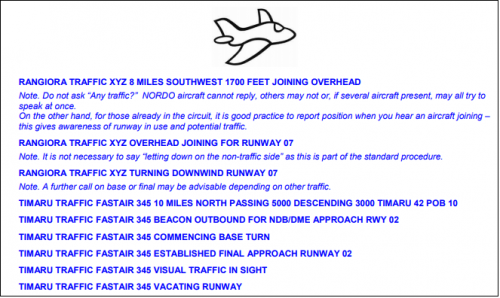
Why Standard Phraseology is Used
Standard phraseology reduces misunderstanding and ambiguity.
Using recognised words and phrases:
- makes transmissions easier to understand;
- reduces the possibility of misinterpretation;
- shortens radio transmissions; and
- contributes to the safe and efficient movement of air traffic.
If standard phraseology does not adequately describe the situation, use clear plain language.
Omission of Words
Certain words may be omitted when there is no possibility of confusion or ambiguity.
These include:
- SURFACE — when referring to surface wind direction and speed;
- DEGREES — when referring to radar headings;
- VISIBILITY, CLOUD and HEIGHT — in meteorological reports; and
- HECTOPASCALS — when giving pressure settings.
To see more, you must subscribe for licence "Microlight" or sesssion "Flight Radio"