
PPL » Aircraft Tech Knowledge (A) » Engines – General Piston Engines
12.10 Engines – General Piston Engines
12.10.2 Identify typical cylinder configurations used for aircraft piston engines.
Typical Piston Engine Configurations
- Radial cylinders are arranged in a circle around the crankshaft

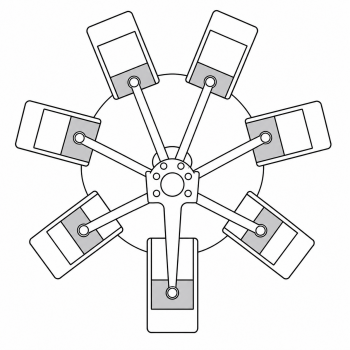
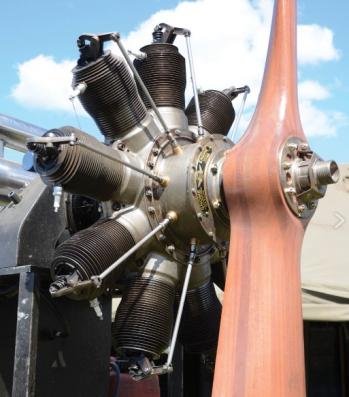
- Horizontally Opposed cylinders are arranged in two rows on opposite sides of the crankshaft, with each cylinder on one side of the engine block

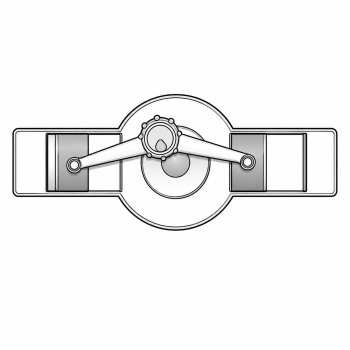
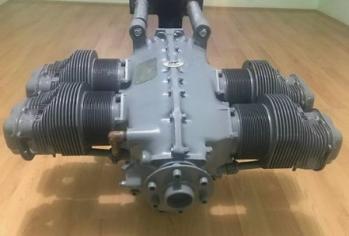

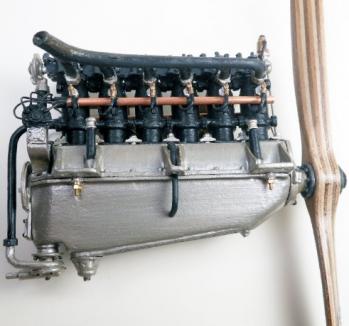
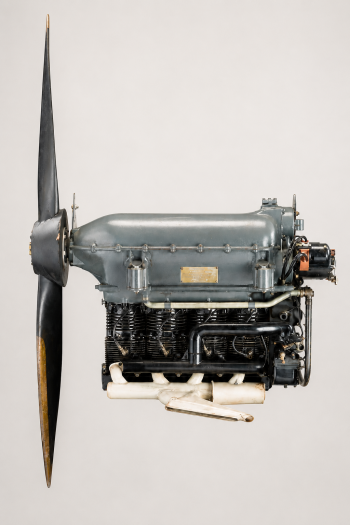
- Inverted In Line (upside down In Line)
12.10.4 Explain the function of the main components of a four-stroke cycle piston engine including:
(a) cylinders;
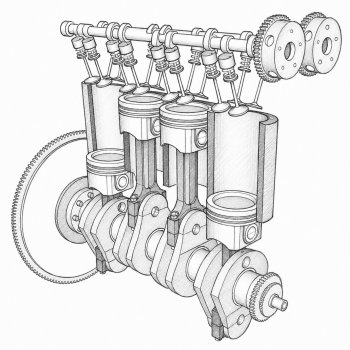
The cylinder is a cylindrical chamber in which the piston moves up and down. It provides the space for the fuel–air mixture to be compressed, ignited, and expanded, allowing combustion to occur and power to be produced.
The cylinder houses the piston and is sealed at the top by the cylinder head, which contains the combustion chamber and the inlet and exhaust valves. The piston forms a movable seal within the cylinder, and its reciprocating motion is converted into rotational force to drive the propeller.
Cylinder walls are precisely machined to a smooth finish to allow efficient piston movement while maintaining a good seal. They are designed to withstand high temperatures and pressures generated during combustion. Cylinders are typically made from aluminium or steel alloys, and in air-cooled engines they are fitted with closely spaced external cooling fins to aid heat dissipation.