
PPL » Flight Radio » SSR Transponders
2.6 SSR Transponders
A transponder is an aircraft radio device that automatically replies to radar signals from air traffic control.
SSR stands for Secondary Surveillance Radar. It is called secondary because it relies on the aircraft’s transponder to send information back to the ground radar system.
Unlike primary radar, which detects an aircraft by reflected radar energy, SSR sends an interrogation signal to the aircraft. The aircraft transponder then replies with information such as:
- The aircraft’s squawk code
- The aircraft’s pressure altitude, if Mode C is selected
- Aircraft identification and other data, if Mode S is fitted
This information is displayed to air traffic controllers and helps them to:
- Identify aircraft
- Track aircraft
- Separate aircraft more accurately
SSR is important because it improves:
- Aircraft identification
- Radar tracking
- Altitude awareness
- Traffic separation
- Emergency recognition
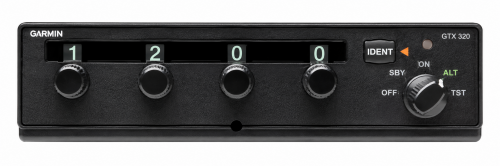
2.6.2 Describe the manipulation and adjustment of the controls of commonly used transponders.
Although transponder layouts vary between aircraft, most commonly used transponders have similar basic controls.
The main controls are:
- Mode selector
- Squawk code selector
- IDENT button
- Altitude reporting selection
To see more, you must subscribe for licence "PPL" or sesssion "Flight Radio"